Introduction
Fall can be a meaningful season in recovery. The weather cools down, routines begin to change, and the year starts moving toward its final months. For some people, that shift feels comforting. For others, shorter days, holiday stress, and changes in mood can make recovery feel more challenging.
The good news is that fall also offers plenty of opportunities to create healthy routines, connect with supportive people, and enjoy activities that do not revolve around alcohol or other substances. Recovery is not about avoiding life. It is about finding ways to participate in life that support your health and the future you are building.
According to SAMHSA guidance on recovery and recovery support, recovery involves improving health and wellness, living a self directed life, and working toward your full potential. Seasonal activities can be a simple way to reinforce those goals.
Spend More Time Outside
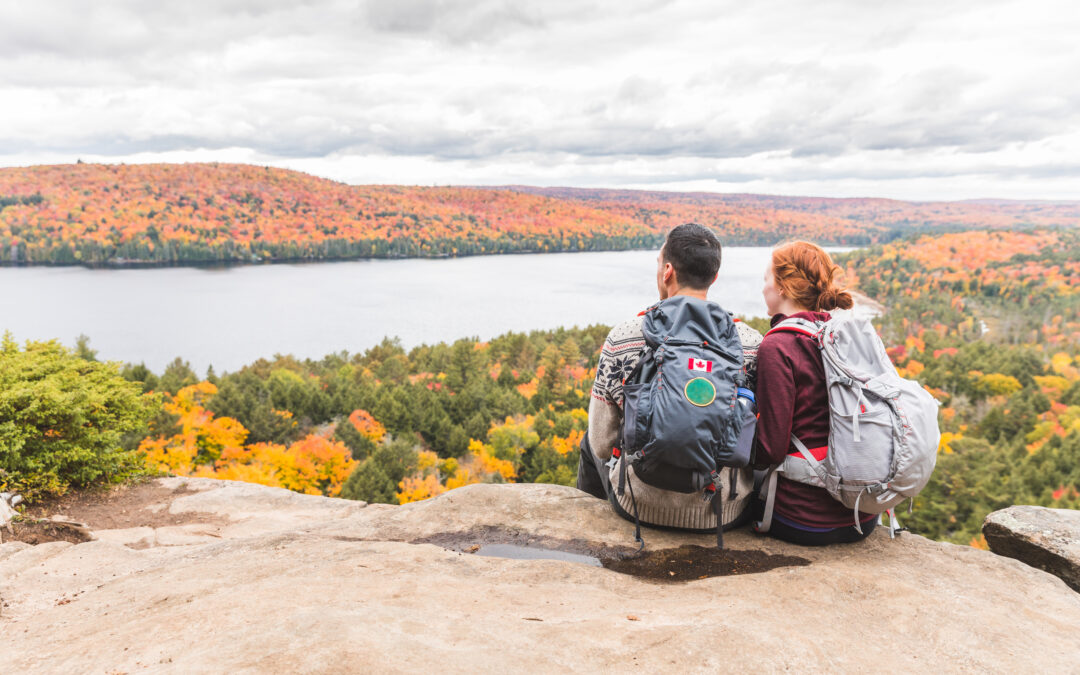
Fall is one of the best times of year to get outdoors. Cooler temperatures can make hiking, walking, biking, and exploring local parks more comfortable than during the heat of summer.
Physical activity can support both physical and emotional health. A walk through a neighborhood filled with changing leaves can provide movement, fresh air, and an opportunity to step away from stress.
The National Institute of Diabetes and Digestive and Kidney Diseases information on the benefits of physical activity notes that regular movement can support mood, reduce stress, and improve quality of life.
You do not need to plan an intense outdoor adventure. Visiting a pumpkin patch, walking through a local park, taking photos of fall colors, or spending an afternoon at a farmers market can all provide healthy ways to enjoy the season.
Create a Sober Halloween Tradition
Halloween can be fun, but it can also create situations where alcohol or other substances are present. Parties and social gatherings may feel different once you are in recovery, especially if your previous celebrations involved drinking or using substances.
Instead of avoiding the holiday completely, consider creating new traditions. Host a movie night, carve pumpkins with friends, visit a haunted house, make dinner together, or attend a community event.
Soulful Recovery offers additional ideas in 5 Tips to Stay Sober During Halloween, including planning ahead for triggers and choosing environments that support your recovery.
Creating new traditions helps shift the focus away from what you are giving up and toward what you are gaining.
Start a Gratitude Practice
Fall naturally encourages reflection. Thanksgiving, changing seasons, and the approaching end of the year can create opportunities to think about how far you have come.
A simple gratitude practice can be a meaningful recovery activity. You might write down three things you appreciate each morning, keep a gratitude journal, or share something you are thankful for with a friend or family member.
Soulful Recovery explores the potential benefits of this practice in Practicing Gratitude, which discusses how intentionally noticing positive experiences can support emotional wellbeing and resilience.
Gratitude does not mean pretending that everything is going well. Recovery includes difficult days. Gratitude simply creates space to recognize that challenges and positive experiences can exist at the same time.
Pay Attention to Seasonal Changes in Mood
As fall progresses, daylight decreases. Some people notice changes in energy, sleep, motivation, or mood as the seasons change.
The National Institute of Mental Health information about seasonal affective disorder explains that seasonal changes can affect mood for some people and that symptoms of seasonal affective disorder commonly begin during the fall or winter.
This makes fall a good time to pay attention to your mental health. Try to maintain regular sleep patterns, spend time outside during daylight hours, stay socially connected, and continue attending therapy or recovery support when those services are part of your plan.
If your mood changes significantly or begins affecting your ability to function, reaching out to a healthcare or mental health professional is important.
Make Something With Your Hands
Recovery often involves learning how to spend time differently. Creative activities can provide structure while giving your mind something positive to focus on.
Fall offers plenty of options. Try cooking a new recipe, baking, painting, decorating pumpkins, woodworking, photography, gardening, or creating seasonal decorations.
The activity itself matters less than finding something that captures your attention and feels enjoyable. Hobbies can fill unstructured time while helping you rediscover interests that may have been neglected during active addiction.
Consider inviting someone supportive to participate with you. Turning a hobby into a social activity can strengthen connection at the same time.
Prepare for Holiday Social Events
Fall eventually leads into a busy holiday season. Thanksgiving dinners, workplace gatherings, family events, and parties can introduce stress and possible triggers.
Planning ahead can make these situations easier to manage. Decide how long you want to stay, bring your own nonalcoholic drink if needed, attend with someone supportive, and give yourself permission to leave if an environment begins to feel unsafe for your recovery.
Soulful Recovery discusses these strategies in High Risk Situations and How to Navigate Holidays and Social Events in Recovery, including the importance of recognizing triggers and creating new sober traditions.
Having a plan does not mean you expect something to go wrong. It simply gives you options if a difficult situation develops.
Build Connection Into Your Fall Routine
Fall can become isolating as people spend more time indoors and social schedules change. Making connection intentional can help prevent that isolation.
Schedule coffee with a supportive friend. Attend a recovery meeting. Invite family over for dinner. Volunteer in your community. Join a recreational group or take a class.
Connection does not need to involve a large group of people. A few supportive relationships can make a meaningful difference.
Recovery often becomes stronger when healthy activities and healthy relationships happen together.
Concluding Thoughts
Fall can be a season of change without becoming a season of instability. The changing weather and approaching holidays provide an opportunity to create new routines and traditions that support recovery.
Spend time outside. Move your body. Try something creative. Practice gratitude. Stay connected with people who support you. Pay attention to changes in your mood and prepare ahead for situations that could create stress.
Most importantly, allow yourself to enjoy the season. Recovery is not simply about staying away from substances. It is about creating experiences, relationships, and routines that make a sober life worth protecting.