Introduction
If you’re navigating recovery, employment screening, or legal requirements, you’ve likely encountered drug testing. While most people are familiar with urine, blood, and hair follicle tests, there’s often confusion about the role of DNA testing in drug screening. Let’s clear up some misconceptions and explore what DNA testing actually means in this context.
What DNA Testing Actually Tells Us
First, it’s important to understand what DNA testing is and isn’t. DNA testing examines your genetic material to identify biological relationships, ancestry, or genetic health markers. However, DNA testing does not directly detect drug use. You cannot look at someone’s DNA and determine whether they used substances yesterday or last week.
According to the National Institute on Drug Abuse, standard drug screenings detect the presence of drugs or their metabolites in bodily fluids or tissues. These tests look for chemical evidence of substance use, not genetic markers. So when most people talk about drug screening, they’re referring to tests that analyze urine, blood, saliva, hair, or sweat, not DNA.
When DNA and Drug Testing Intersect
While DNA testing doesn’t detect drug use directly, there are scenarios where DNA might be relevant in the broader context of substance use and recovery. Researchers are exploring genetic factors that influence addiction susceptibility. Some people have genetic variations that affect how they metabolize certain drugs or how vulnerable they are to developing addiction.
Research published in the journal Neuron explains that genetic factors play a significant role in addiction vulnerability. This field helps doctors understand why some people respond differently to medications or why certain individuals are more prone to addiction. However, this research based genetic testing is completely different from routine drug screening.
At Soulful Recovery, we understand that addiction has multiple contributing factors, including genetic predisposition, environmental influences, and personal circumstances. Understanding your genetic vulnerabilities can be part of developing a comprehensive treatment plan, but it’s not the same as testing for current drug use.
Common Drug Screening Methods
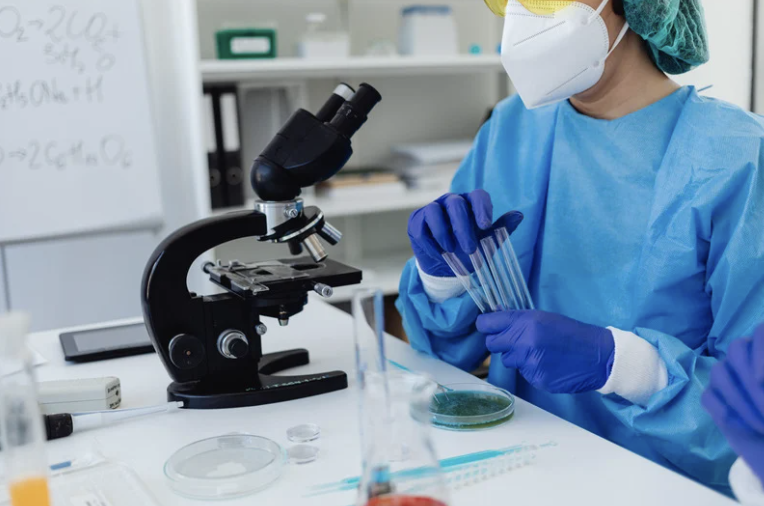
Let’s clarify what actually happens during drug screening. The most common method is urine testing, which detects recent drug use, typically within the past few days. Blood tests can identify very recent use and measure current impairment. Hair follicle testing can detect drug use over a longer period, sometimes up to 90 days. Saliva tests detect very recent use, usually within the past day or two.
These tests work by identifying specific drug compounds or their metabolites, the substances your body produces when breaking down drugs. They’re looking for chemical evidence, not genetic information. Pharmatech provides guidelines and explains the standard methodology and efficacy of DNA drug testing when used in certain settings.
Why the Confusion Exists
So why do people sometimes conflate DNA testing with drug screening? Part of the confusion comes from hair follicle testing. Since hair grows from follicles that contain DNA, some people mistakenly believe these tests are examining genetic material. In reality, hair drug tests analyze the hair shaft itself, where drug metabolites become trapped as hair grows. The DNA in the follicle isn’t relevant to detecting drug use.
Another source of confusion is the increasing use of genetic testing in personalized medicine. As we learn more about how genetics influence addiction risk and treatment response, some people assume this means DNA can reveal drug use. While personalized treatment approaches can incorporate genetic information to tailor recovery plans, this is entirely separate from screening for active substance use.
Privacy and Accuracy Concerns
Understanding what different tests can and cannot reveal is important for protecting your privacy and rights. Standard drug screenings are designed to detect substance use, period. They don’t reveal genetic information, health conditions, or other personal biological data beyond the presence of specific drugs.
If you’re facing drug testing for employment, legal reasons, or as part of your recovery program, know your rights. Testing should be conducted professionally, with proper chain of custody procedures, and you typically have the right to challenge positive results with confirmatory testing.
Our treatment programs include drug screening as a tool for monitoring progress and ensuring accountability. We approach testing as a supportive measure, not a punitive one. The goal is to help you succeed in recovery, and regular screening can be part of that support structure.
Moving Forward with Knowledge
Understanding the difference between DNA testing and drug screening empowers you to navigate these processes with confidence. Whether you’re in recovery, supporting someone who is, or simply wanting to understand these topics better, accurate information matters.
Recovery is about much more than passing drug tests. It’s about healing, growth, and building a life you’re proud of. At Soulful Recovery, we focus on addressing the whole person, understanding that successful recovery requires support on multiple levels: physical, emotional, and social.
If you have questions about drug testing, treatment expectations, or recovery support, don’t hesitate to reach out. Knowledge is power, and you deserve clear, honest information as you navigate your journey toward wellness.