
Introduction
Spring is often associated with renewal, growth, and fresh beginnings. For individuals in addiction recovery, this season can serve as a meaningful reminder that healing and personal change are always possible. As the weather warms and daylight increases, many people naturally feel more motivated to reconnect with healthy routines, supportive relationships, and positive lifestyle habits.
Seasonal transitions can influence both mood and energy levels. Spending time outdoors, engaging in physical movement, and reconnecting with supportive communities can all support emotional health during recovery. Wellness practices such as exercise, community connection, and healthy coping strategies can strengthen recovery and overall wellbeing.
Spring offers a natural opportunity to refresh daily habits and focus on personal growth. Here are five meaningful ways to welcome the season while continuing to strengthen your recovery journey.
Spend Time In Nature
One of the simplest ways to embrace spring is by spending more time outside. Fresh air, sunlight, and natural surroundings can have a powerful effect on both mental and physical health. Even a short walk through a park or neighborhood can help reduce stress and improve mood.
Research highlighted by the Harvard T.H. Chan School of Public Health shows that spending time in natural environments can improve wellbeing, reduce stress, and support better sleep.
For individuals in recovery, these benefits can be especially helpful. Stress and emotional overwhelm can sometimes increase vulnerability to cravings. Spending time outdoors can calm the nervous system and create space for reflection and relaxation. Activities such as hiking, gardening, or simply sitting in the sun can become healthy rituals that reinforce sobriety.
You may also find helpful insights in related resources like Navigating Boredom in Early Recovery from Soulful Recovery.
Build Healthy Movement Into Your Routine
Physical movement is a powerful tool for supporting recovery. Exercise releases endorphins, which are chemicals in the brain that improve mood and help regulate stress. Movement can also improve sleep, increase energy levels, and support emotional resilience.
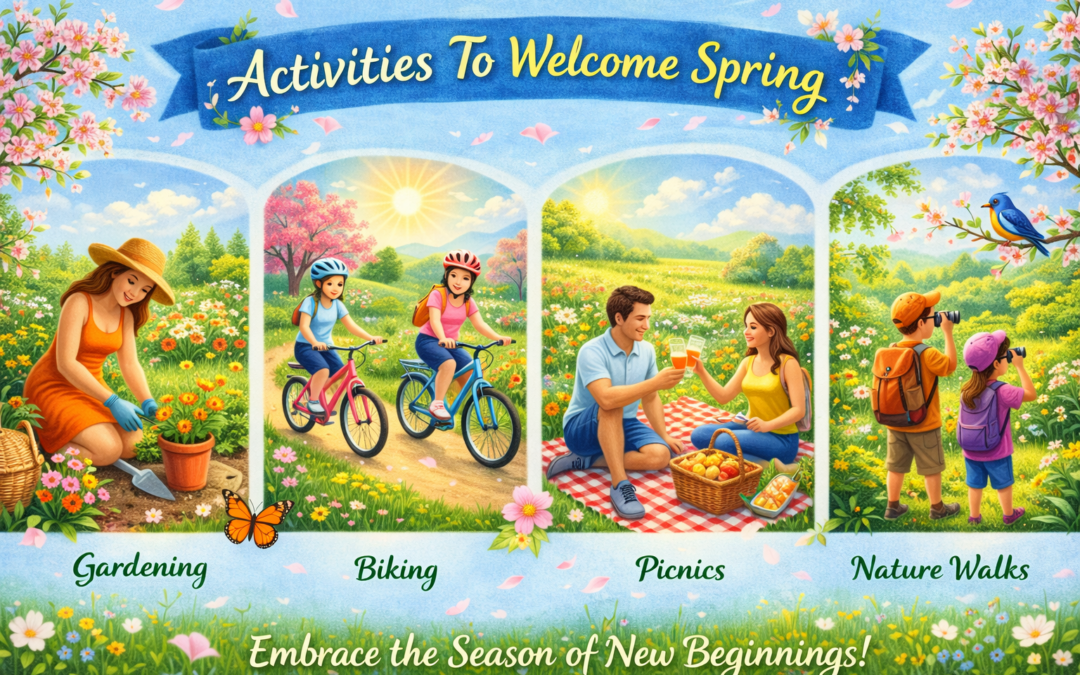
Spring creates the perfect environment to reintroduce movement into everyday life. Warmer temperatures and longer days make outdoor activities more accessible and enjoyable. Walking, biking, stretching outside, or participating in recreational sports can all support physical and mental health.
According to guidance from the Substance Abuse and Mental Health Services Administration, physical activity can play an important role in supporting emotional wellness and recovery outcomes for individuals overcoming substance use challenges.
The goal does not need to be intense workouts. Consistency matters more than intensity. Even small daily activities can build healthy routines that reinforce long term recovery.
Practice Mindfulness In The Fresh Air
Spring provides a natural opportunity to slow down and reconnect with the present moment. Mindfulness practices such as deep breathing, meditation, or quiet reflection can help individuals manage stress and increase emotional awareness.
Seasonal changes sometimes bring emotional shifts as well. Mindfulness allows individuals to observe these emotions without becoming overwhelmed by them.
Research published through the National Library of Medicine shows that mindfulness practices can help improve emotional regulation and reduce stress related symptoms.
Spending a few minutes outside focusing on breathing or noticing the sights and sounds of nature can strengthen mindfulness skills. Listening to birds, feeling sunlight, and observing the environment can help create moments of calm and mental clarity.
For additional coping strategies, you may also find helpful guidance in Identifying Your Triggers.
Reconnect With Supportive People
Connection plays a critical role in long term recovery. Isolation can increase stress and make it more difficult to maintain healthy coping strategies. Spring offers many opportunities to reconnect with supportive people in positive environments.
This might include walking with a friend, attending outdoor recovery meetings, volunteering in the community, or participating in local activities. Positive social interactions can strengthen accountability and reduce feelings of loneliness.
Research discussed in the National Library of Medicine suggests that outdoor group activities can improve social connection and mental health outcomes for individuals working through substance use recovery.
Healthy relationships create a foundation of encouragement and support that can help sustain recovery through challenging moments. Additional insights on this topic can be found in 7 Tips For Supporting People Experiencing Addiction.
Set New Goals For The Season
Spring is often seen as a time of renewal and growth. This makes it an excellent time to reflect on personal goals and identify areas for continued progress.
Recovery is not only about avoiding substances. It is also about building a meaningful and fulfilling life. Setting achievable goals can help create motivation, direction, and confidence.
These goals might include improving physical health, strengthening relationships, learning new coping skills, or exploring hobbies that bring joy and purpose.
The Substance Abuse and Mental Health Services Administration emphasizes that lifestyle practices such as goal setting, physical activity, and community involvement can help support sustainable recovery.
Concluding Thoughts
Recovery is a journey that involves continual growth and self discovery. Spring reminds us that change and renewal are always possible.
By spending time in nature, incorporating healthy movement, practicing mindfulness, reconnecting with supportive people, and setting new goals, individuals in recovery can welcome the season with intention and strength.
Each small step forward builds momentum toward a healthier and more balanced life. With supportive resources, consistent habits, and a commitment to personal growth, recovery can continue to evolve just like the season of spring itself.