
Introduction
Taking the first step toward addiction treatment can feel intimidating. For many people, the idea of an assessment brings up uncertainty about what will be asked, how information will be used, and what comes next. In reality, an addiction treatment assessment is designed to be a supportive and informative process that helps clinicians understand each person’s unique needs.
The goal of an assessment is not to judge or label someone. It is to gather information that allows treatment providers to recommend the right level of care and create a plan that supports long term recovery. According to the Substance Abuse and Mental Health Services Administration guidance on finding treatment, a thorough evaluation is a key first step in connecting individuals to appropriate and effective care.
Understanding what happens during this process can make it feel more approachable and help individuals feel more confident as they begin their recovery journey.
The Purpose Of An Addiction Treatment Assessment
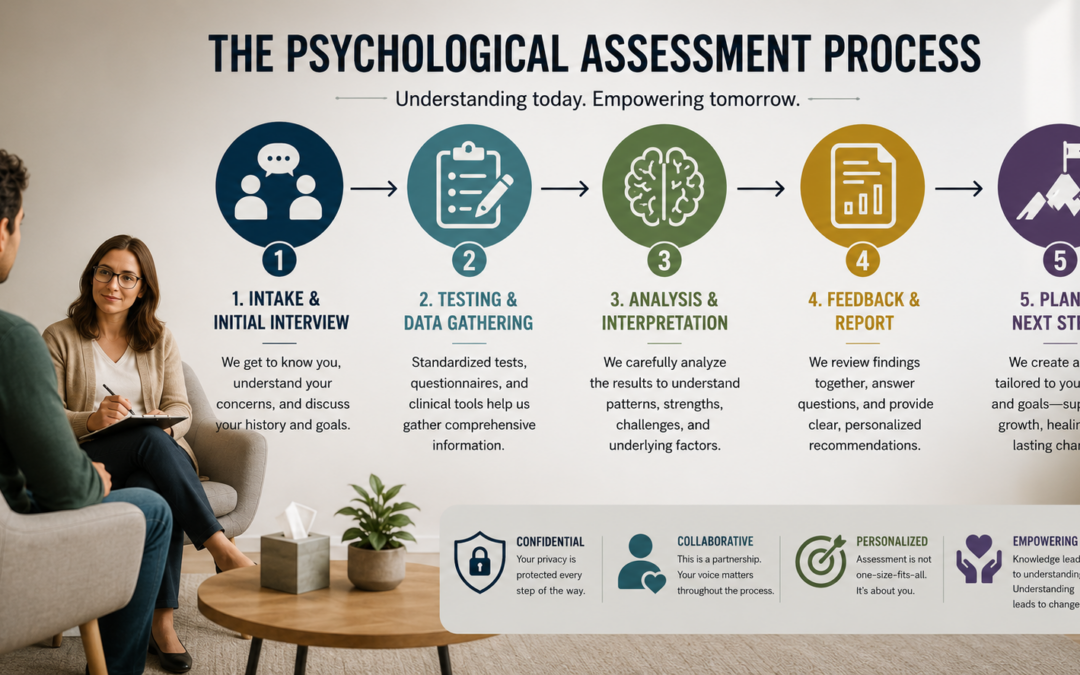
An addiction assessment is a structured conversation between a client and a trained professional. It is designed to evaluate substance use patterns, mental health, physical health, and overall life circumstances.
Clinicians use this information to determine the severity of substance use and identify any co occurring conditions that may need to be addressed. The assessment also helps determine the most appropriate level of care, whether that is outpatient treatment, intensive outpatient programming, or a higher level of support.
Research from the National Institute on Drug Abuse explains that individualized treatment plans based on a person’s specific needs are more effective than one size fits all approaches.
This is why the assessment process is so important. It ensures that care is tailored to each individual rather than based on assumptions.
Questions About Substance Use
One of the main components of the assessment focuses on substance use history. This may include questions about what substances have been used, how often they are used, how long use has been occurring, and whether there have been attempts to stop.
These questions help clinicians understand patterns of use and identify any risks related to withdrawal or relapse. Honesty during this part of the process is essential. The more accurate the information, the more effective the treatment recommendations will be.
It is important to remember that these questions are not meant to create shame. They are meant to provide a clear picture of what someone is experiencing so that appropriate support can be offered.
Mental Health And Emotional Wellbeing
Many individuals who struggle with substance use also experience mental health challenges such as anxiety, depression, or trauma related symptoms. Because of this, assessments often include questions about mood, stress levels, and emotional experiences.
Guidance from an article on co-occurring disorders from Soulful Recovery highlights the importance of identifying co occurring mental health conditions in order to improve treatment outcomes.
By understanding emotional wellbeing, clinicians can recommend therapies that address both substance use and mental health at the same time. This integrated approach often leads to stronger and more sustainable recovery.
Physical Health And Lifestyle Factors
An addiction assessment may also include questions about physical health, sleep patterns, nutrition, and overall lifestyle. Substance use can impact the body in many ways, so it is important to understand any existing health concerns.
In some cases, medical evaluations or referrals may be recommended to ensure that physical health is addressed alongside treatment. This helps create a more complete and balanced recovery plan.
Daily routines and responsibilities are also discussed. This includes work, school, family obligations, and living environment. These factors play a role in determining what type of treatment schedule will be most realistic and effective.
Determining The Right Level Of Care
After gathering all of this information, clinicians use established guidelines to determine the appropriate level of care. Many providers use criteria such as the American Society of Addiction Medicine framework to guide these decisions.
The goal is to match individuals with the level of support that best fits their needs. Someone with mild substance use may benefit from outpatient therapy, while someone with more severe challenges may require a higher level of structured care.
Programs like those described in treating both addiction and underlying trauma can show how flexible treatment options meet individuals where they are while still providing consistent support.
Building A Personalized Treatment Plan
Once the assessment is complete, the next step is creating a treatment plan. This plan outlines goals, recommended services, and strategies for achieving progress in recovery.
Treatment plans often include a combination of individual therapy, group therapy, and skill building. These approaches help individuals address both the emotional and behavioral aspects of addiction.
Support systems are also considered during planning. Family involvement can play a meaningful role in recovery, which is explored further in Engaging Family Members.
Concluding Thoughts
An addiction treatment assessment is not something to fear. It is a supportive and structured process designed to help individuals receive the care that best fits their needs.
By exploring substance use history, mental health, physical health, and daily life, clinicians are able to create a clear picture of what support will be most effective. This personalized approach increases the likelihood of successful and lasting recovery.
Taking part in an assessment is a strong and meaningful first step. It opens the door to understanding, support, and a path forward toward a healthier and more balanced life.